Key Takeaways
Planning a high-level retreat requires careful thought to ensure outcomes align with corporate goals while providing genuine respite for leadership teams.
- Selecting a venue that balances privacy with accessibility is paramount for productive outcomes.
- A balanced agenda prevents professional burnout by mixing intense strategy with curated cultural immersion.
- Leveraging the unique atmosphere of the countryside often drives deeper creative breakthroughs.
- Professional logistical support ensures that executives focus on strategy rather than coordination tasks.
- Financial planning must be comprehensive to cover specialized services, transportation, and premium venue requirements.
The strategic value of holding executive retreats in France
France offers an unparalleled landscape for leadership development, providing a setting that shifts perspectives and deepens professional connections. By removing decision-makers from their typical office environment, organizations foster a sense of clarity and purpose that is difficult to recreate. Investing in executive retreats in France serves as a catalyst for long-term growth and organizational cohesion.
Fostering innovation through environmental change
Changing the physical environment forces the brain to break from routine cognitive patterns, which is essential for creative problem-solving. When teams operate in spaces that are intellectually stimulating, such as those found throughout the Hérault region, they gain the distance needed to challenge their existing assumptions. This shift allows leadership to approach legacy problems with fresh energy and diverse viewpoints.
Enhancing leadership alignment away from the office
When C-suite members step away from their daily operational pressures, they create the necessary space for high-level alignment. This period of disconnection from the office allows for raw, honest dialogue about the organization’s vision. The absence of traditional meeting structures often leads to more authentic exchanges and a stronger unified front moving forward.
Leveraging French culture for creative inspiration
French culture emphasizes the value of savoring the moment and thoughtful conversation, both of which are critical for executive vision. Integrating elements of local lifestyle encourages leaders to slow down and consider the broader implications of their decisions. This appreciation for refined experiences translates easily into a more considered and inspired approach to corporate strategy.
Choosing the ideal venue to match your corporate objectives
Selecting the right environment goes beyond mere aesthetics; it acts as the foundation for the entire retreat’s atmosphere. For teams seeking a blend of intimacy and regional authenticity, properties like Maison Mia Majorelle offer a unique, private setting in the heart of the Hérault. Ensuring the space reflects the specific goals of your team is a critical first step.
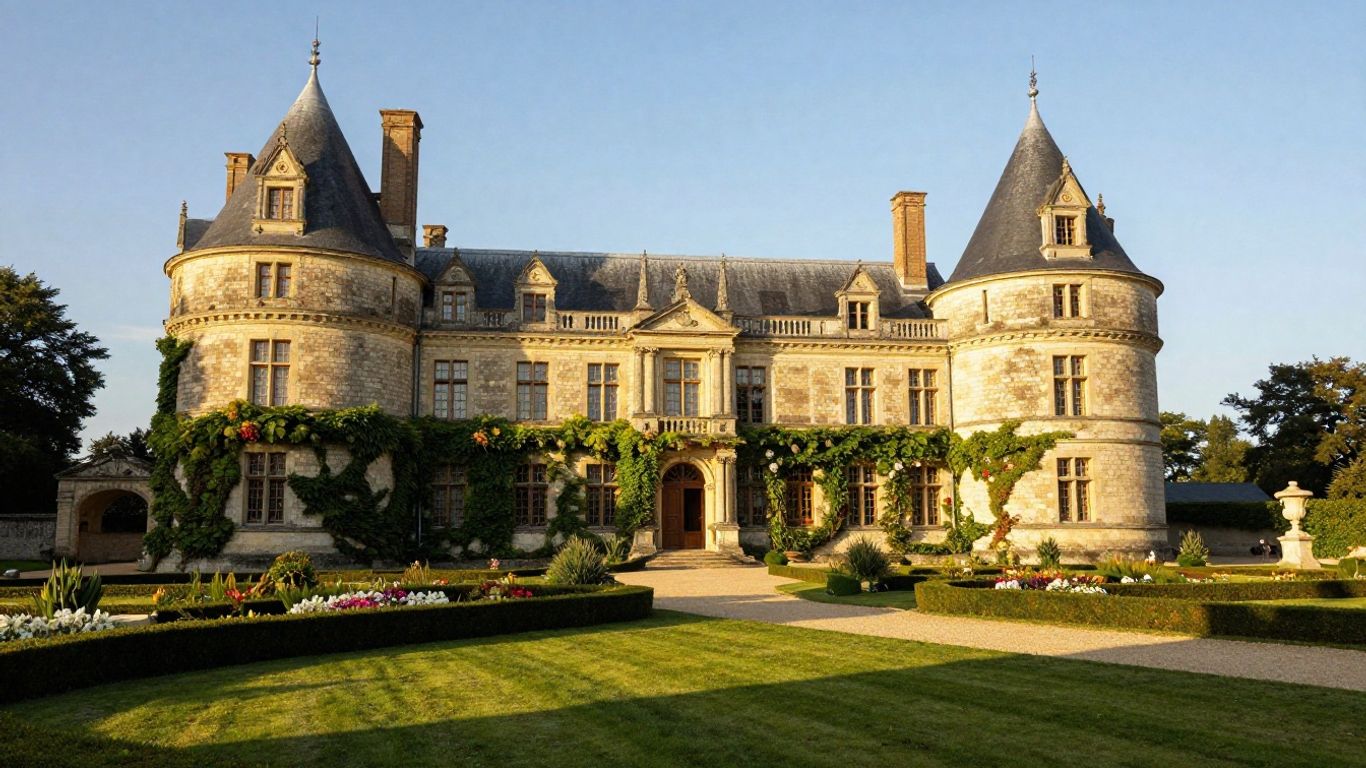
Historic châteaux for tradition and prestige
Historic venues offer a sense of gravity and legacy that can anchor a high-stakes strategy meeting. These properties often provide expansive formal rooms that serve as perfect backdrops for visioning exercises and board-level discussions centered on long-term sustainability.
Private coastal villas for seclusion and focus
Coastal sanctuaries offer a different kind of intensity, where the calming presence of the sea encourages reflection and deep breathing. These spaces are ideal for executive groups that need total isolation to move through complex decision-making processes without the risk of interruptions.
Modern estates near Paris for logistical efficiency
For companies requiring proximity to international flight corridors, modern estates provide the perfect middle ground between rural tranquility and urban convenience. These venues typically feature all the technical infrastructure required for high-bandwidth video conferencing, presentations, and seamless connectivity during the event.
Alpine lodges to encourage team wellness and clarity
Mountain settings provide a sense of perspective that only altitude can offer, making them suited for wellness-oriented retreats focused on reducing cognitive load. The brisk environment supports physical activity during the day, ensuring that executives return to their strategy sessions with renewed physical and mental stamina.
Crafting a balanced agenda for productivity and rest
An effective retreat acknowledges that constant high-level decision-making requires cognitive rest to maintain efficacy. The most successful itineraries weave deep work periods with meaningful downtime to ensure the team remains engaged throughout the entire stay. Excessive scheduling often leads to reduced output, whereas a well-paced agenda ensures that every session happens when the participants are most receptive.
Structuring intense, focused morning strategy sessions
Morning hours are ideal for tackling the most complex organizational challenges when mental energy is at its peak. These sessions should be tightly focused on specific, measurable objectives to ensure that meaningful progress takes place early in the retreat. Dedicated time slots prevent sessions from meandering, maintaining discipline and drive.
Incorporating meaningful breaks to prevent cognitive fatigue
Regular intervals for rest are not merely pleasantries; they are required to combat the onset of burnout during intensive retreats. Providing sufficient time for mental decompression between sessions helps team members maintain focus and keep creative communication open during group discussions. Quality time away from screens and whiteboards is just as important as the meetings themselves.
Aligning leisure time with collaborative bonding goals
Leisure time acts as the glue that bonds a leadership team, turning colleagues into a genuinely cohesive group. When activities are chosen intentionally, they facilitate communication and trust, creating shared memories that professional meetings simply cannot build. The aim is to create social environments that reinforce the collaborative nature of the group.
Allowing for unstructured, high-level networking opportunities
Much of the most significant value of a retreat emerges in the gaps between scheduled items. Allowing for periods where leaders can converse naturally over a meal or a walk helps to strengthen interpersonal ties and surface nuanced insights. This unstructured time allows the group to align organically rather than through rigid, top-down presentations.
Logistical considerations for a seamless executive experience
Logistics must be handled with precision so that leadership remains insulated from the complexities of travel and event coordination. When travel flows without friction, executives can arrive at the venue ready to focus entirely on their objectives. Engaging expert logistical support removes the cognitive burden of navigating transit, allowing for a smooth experience from start to finish.
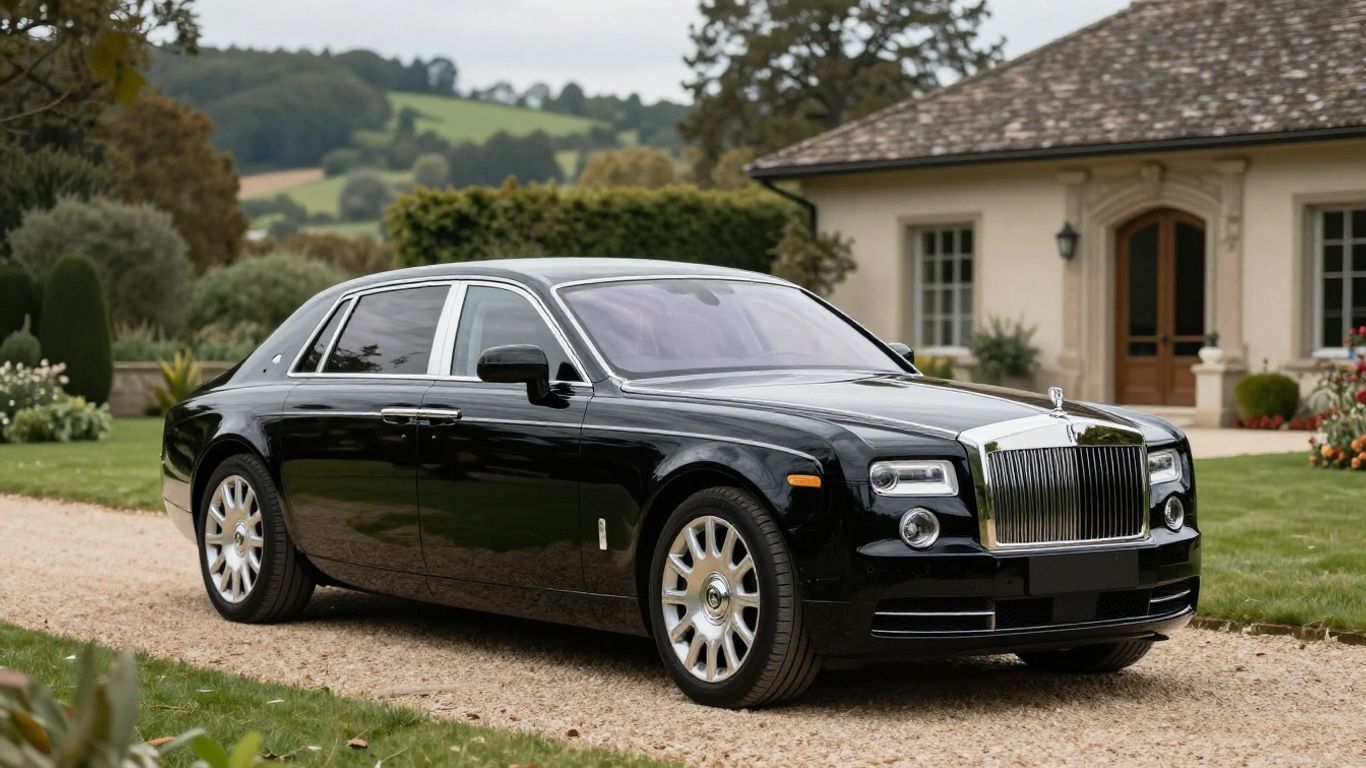
Managing transportation from international transit hubs
Coordinating arrival logistics involves anticipating the needs of attendees coming from multiple global locations. A book your stay approach to coordination ensures that every transfer is accounted for, eliminating the anxiety of finding transit in foreign regions. Seamless transit support guarantees that the transition from a busy travel day to a productive retreat environment happens instantly.
Integrating reliable technology and modern meeting infrastructure
Modern executives require tools that function perfectly on the first try. Ensuring that the facility supports secure, robust connectivity for remote collaboration is essential for teams that must balance retreat objectives with ongoing global operations. A venue that offers this level of infrastructure allows the team to be present while still staying informed.
Coordinating professional on-site concierge and support services
An on-site concierge provides the layer of service that differentiates a standard stay from a truly luxury experience. Having a dedicated point of contact to handle scheduling, dietary requests, and unexpected needs allows the executive team to remain completely focused on their agenda. This support staff ensures that the physical environment is always conducive to high performance.
Navigating private transfer arrangements for C-suite arrivals
Private transfers represent more than just comfort; they are a necessary component for privacy and security. Handling the details of vehicle logistics avoids exposure to public travel hubs and ensures that the arrival at the retreat is as dignified as the event itself. Consistent, high-end transfer services set the right tone for the rest of the stay.
Curation of bespoke activities and cultural engagement
Cultural engagement serves to ground the team in the local surroundings, providing an authentic experience that balances the intense nature of corporate work. By selecting exclusive, high-quality local engagements, you ensure that the time spent away from the meeting table adds value to the personal well-being of each attendee.
Organizing private gastronomy and regional vineyard experiences
Gastronomy is a core part of the local French experience and provides a relaxed environment for teams to engage in broad conversations. Private wine experiences at local estates allow for a deeper understanding of the region’s history, turning a standard social activity into a sophisticated cultural session.
Facilitating team building through exclusive cultural access
Access to private workshops or exclusive site visits provides the team with a unique insight into excellence outside their own industry. Learning from local artisans or historical experts creates a shared experience that stimulates cross-disciplinary creativity and provides a welcome change of pace from traditional corporate activities.
Balancing physical activity against intentional restorative time
Effective scheduling of movement and relaxation ensures the team stays refreshed throughout the process. When considering activities, providing a variety of options ensures that everyone’s personal preference for restoration is met. Here are common examples of how to achieve this balance:
- Participating in low-impact nature hikes through regional parks to clear the mind.
- Scheduling morning yoga or meditation sessions within the estate’s private grounds.
- Preparing for a guided evening of wine tasting in restored cellars.
- Enrolling in local craft workshops for a tactile team-building experience.
After these activities, the team is often more receptive to the final strategic discussions of the day, as the physical engagement has cleared away the mental fog that often accumulates during long meetings.
Financial planning and preparation for luxury corporate travel
Planning for a high-end retreat requires a departure from standard corporate procurement and a focus on value across the entire journey. Financial foresight allows for the acquisition of services that make the event impactful rather than purely functional. This preparation minimizes surprises and allows for the focus to remain firmly on outcomes.
Allocating budget for premium venue and logistical needs
Budgeting for a luxury retreat at a property like Maison Mia Majorelle involves accounting for bespoke services that deliver high-end experiences. By categorizing expenses into venue, experience, and logistical support, organizations gain clarity on the investment required to secure privacy and operational excellence.
Establishing clear operational objectives and performance metrics
Treating the retreat as a strategic investment requires defining what success looks like ahead of time. When operational objectives are quantified, the return on the investment becomes easier to measure. This approach ensures that budget allocations are always justified by the projected impact on leadership alignment and strategic development.
Working with specialized local planners for bespoke delivery
Specialized local planners offer knowledge and connections that a general agency cannot replicate. Their expertise secures access to the best providers, from private chefs to logistics experts, ensuring that every detail aligns with the executive standards expected for the event. This partnership reduces the time required for internal planning by delegating complexity to experts who know the region intimately.
Mitigating risks through contingency and advance operational planning
Proactive planning minimizes the impact of potential travel delays, weather concerns, or other unforeseen disturbances. Developing a clear plan for contingencies ensures that the retreat can pivot if necessary without losing momentum. This foresight is the mark of a well-prepared organization that values its leaders’ time and focus above all else.
Conclusion
Planning a luxury corporate retreat in France demands a deep commitment to balancing strategic rigor with genuine local experiences and thoughtful hospitality. By prioritizing privacy, curation, and logistical precision at every step, your organization creates the perfect conditions to inspire leadership and drive lasting institutional alignment.
Book Your Bespoke Retreat
If you are ready to plan your team’s next transformative experience at Maison Mia Majorelle, we recommend reviewing our retreat packages and contacting our planning team today to secure your preferred dates in the Hérault region.
