Key Takeaways
Organizing a corporate getaway requires careful balance between structured work sessions and authentic downtime to foster a sense of shared purpose. Our guide explores how strategic planning transforms these events into lasting team assets.
- Establish clear objectives before finalizing your travel arrangements.
- Focus on a location that offers both privacy and cultural immersion.
- Prioritize accommodations that allow for seamless group collaboration.
- Design agendas that mix professional workshops with local leisure exploration.
- Measure success through improved communication cycles among your staff members.
Planning Effective Team Retreats
When you approach the organization of your corporate event, the initial phase relies on defining what success looks like for your specific group. Creating a space where colleagues can step away from their daily digital noise allows for more genuine innovation to occur. By shifting the environment entirely, you invite fresh perspectives that are often stifled in a standard office setting.
Defining Your Objectives
Before you gather your team, it is essential to map out the specific outcomes you hope to achieve during your time away. Setting these milestones helps ensure that every dollar invested in the travel experience translates into tangible workplace improvements, such as:
- Mapping out long-term departmental strategic milestones.
- Strengthening individual rapport through collaborative group tasks.
- Refining communication protocols to reduce future friction.
- Identifying creative solutions to current operational challenges.
Clearly articulating these goals provides a roadmap for the facilitator, ensuring that every session remains anchored to your core business needs while allowing for the necessary flexibility that group creativity demands.
Selecting the Right Venue
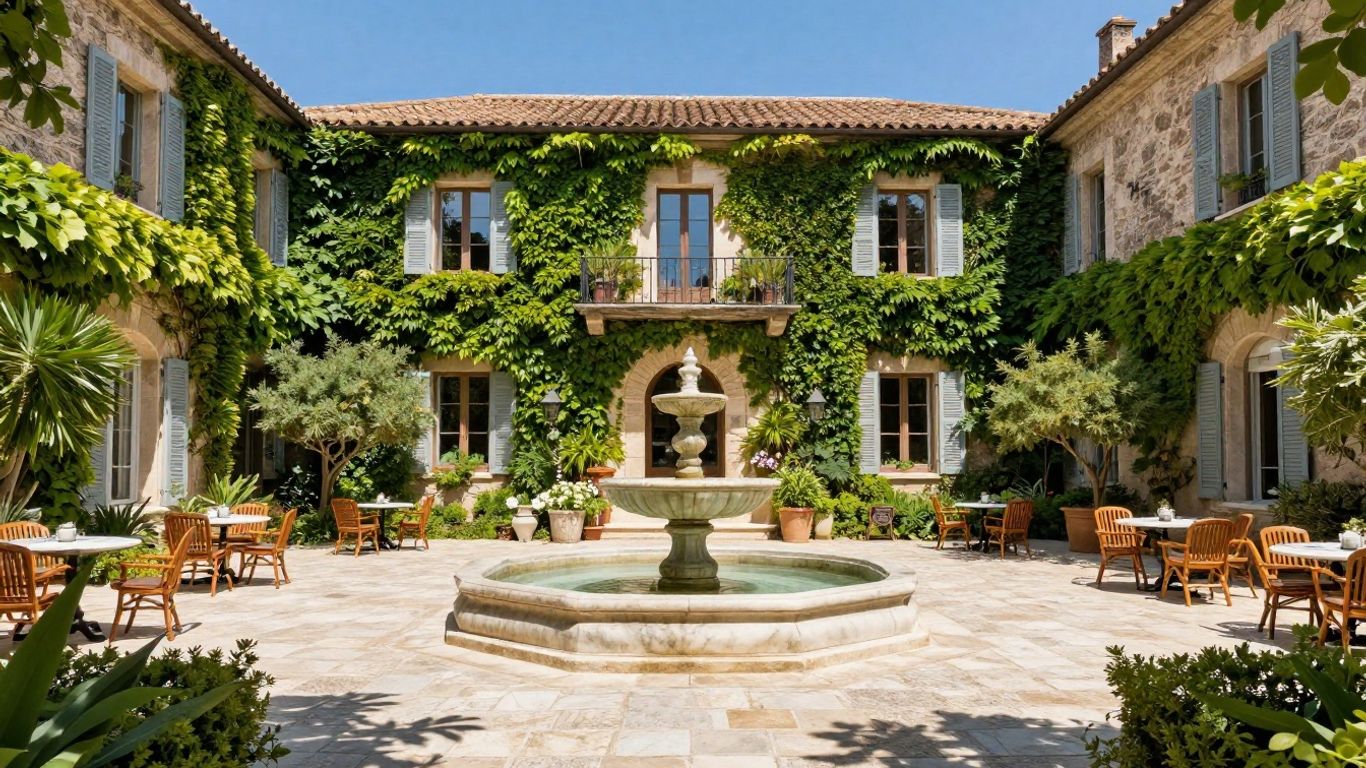
Finding a location that supports both intensive working sessions and quiet reflective moments is the most critical logistical step. For those considering team retreats South of France, Maison Mia Majorelle represents a unique choice. This exclusive-use wine country retreat provides the necessary privacy for sensitive discussions while remaining accessible for team travel logistics. Providing a dedicated space like the Maison Mia Majorelle estate allows your group to control their environment completely, ensuring that the focus remains on the objectives set for the week.
Exploring the South of France Region
Immersing your team in a distinct cultural landscape can act as a catalyst for professional growth and personal rejuvenation. When you escape the ordinary, you find that the mind opens up to new ideas that never seemed accessible within your typical routine. The surrounding architecture and history provide a non-distracting but beautiful backdrop that encourages employees to reconnect with their work goals from a place of inspiration.
Local Culture and Landscapes
The geography of this specific region offers more than just beautiful scenery; it provides a profound sense of history that can deepen team appreciation for their own projects. If you explore areas such as Roujan within the Herault territory, you will discover that the history of the land naturally facilitates conversation and a more relaxed pace of life. Sharing a morning coffee or an afternoon walk through the vineyards allows for meaningful conversations that flourish naturally outside of a formal boardroom environment. These quiet, human-centered moments are often what define the success of a trip, creating an atmosphere of mutual respect.
Building Professional Connections
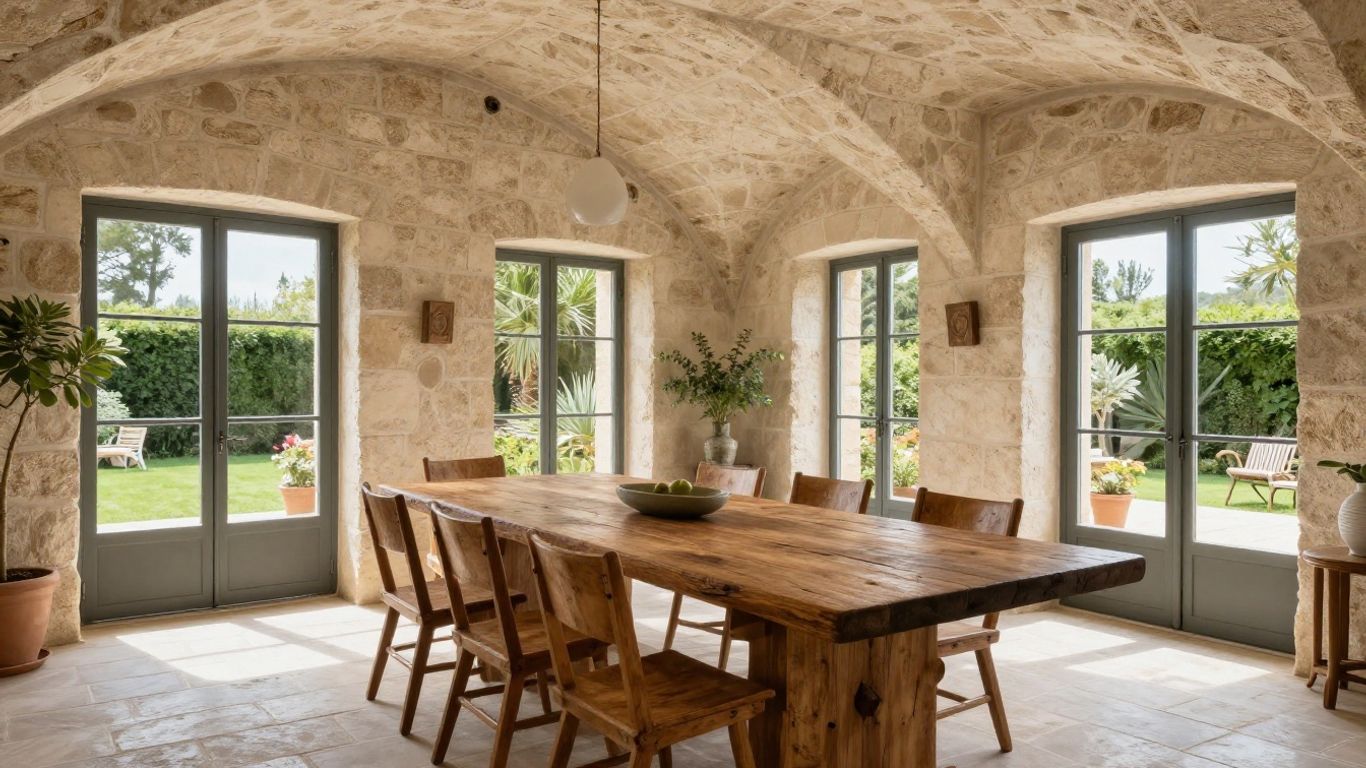
Fostering professional bonds requires moving beyond superficial ice-breaking exercises toward genuine engagement with local culture and each other. By removing the pressure of immediate deliverables, you allow team members to demonstrate their strengths and soft skills in a low-stakes landscape. This process is essential for building the trust that supports high-performing cohorts in the long run.
Facilitating Meaningful Interaction
Structured activities should feel organic rather than forced to ensure authentic participation from every attendee. Whether you are walking through local village markets or sharing a long lunch at Maison Mia Majorelle, these activities allow people to connect through shared experiences rather than just job titles. By focusing on the quality of interaction, you build a foundation of trust that persists long after the group returns to their desks.
Conclusion
Successful team outings focus on creating genuine connection and purposeful alignment within an inspiring setting. By selecting a versatile location and prioritizing authentic moments of interaction, you ensure that your investment in travel delivers real, long-term value to your organization.
